AI-Guided Screenshares
The AI interview about actual work.
A recorded screenshare with an AI interviewer that already knows the assignment, the role, and the deliverable, and asks about the decisions behind it.
What it is
Retrospective, not surveillance.
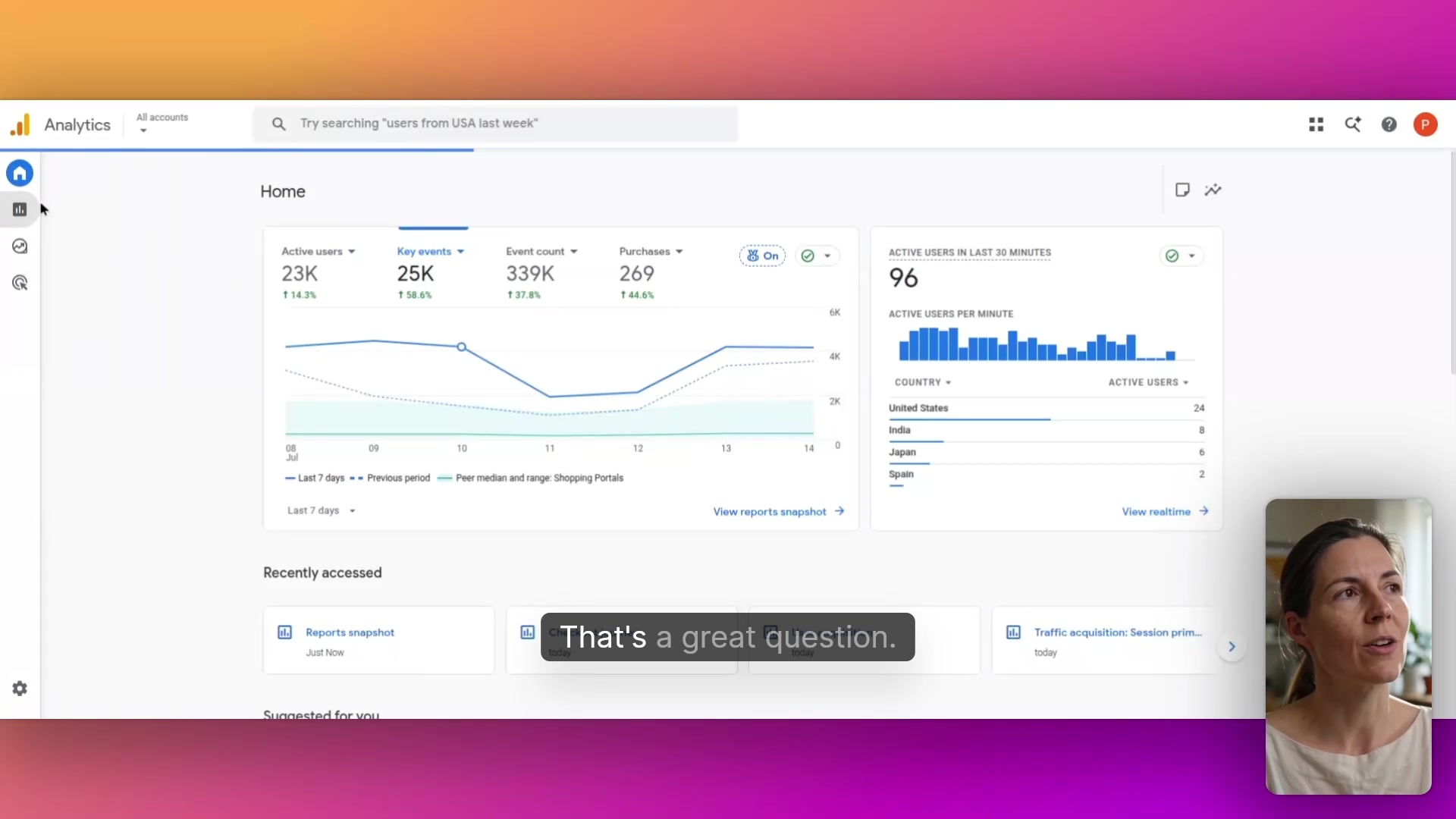
Every Pudding engagement ends with a screenshare. The candidate has already done a realistic slice of the actual job on their own schedule, in their own environment, with whatever tools they normally reach for. When they're ready, they click once and open a live session with a Pudding agent. No scheduling thread, no panel, no keystroke logging or webcam monitoring while they work. The agent arrives already briefed on the assignment the hiring team wrote, the role it's for, and the deliverable that was submitted, so the conversation starts where a good interview usually ends.
What comes back is the thinking behind the work. The agent watches the screen as the candidate walks through what they built and asks sharp inline questions about the choices they made, following the answers rather than a script. The whole session is recorded and delivered to the hiring team alongside the deliverable, so reviewers watch on their own time, compare candidates on real output instead of interview polish, and can keep submissions anonymized until they've made up their minds. The candidate is paid either way.
On-screen capture
Every prompt, in full, on the record.
The most revealing thing on a candidate's screen is often text, not images.
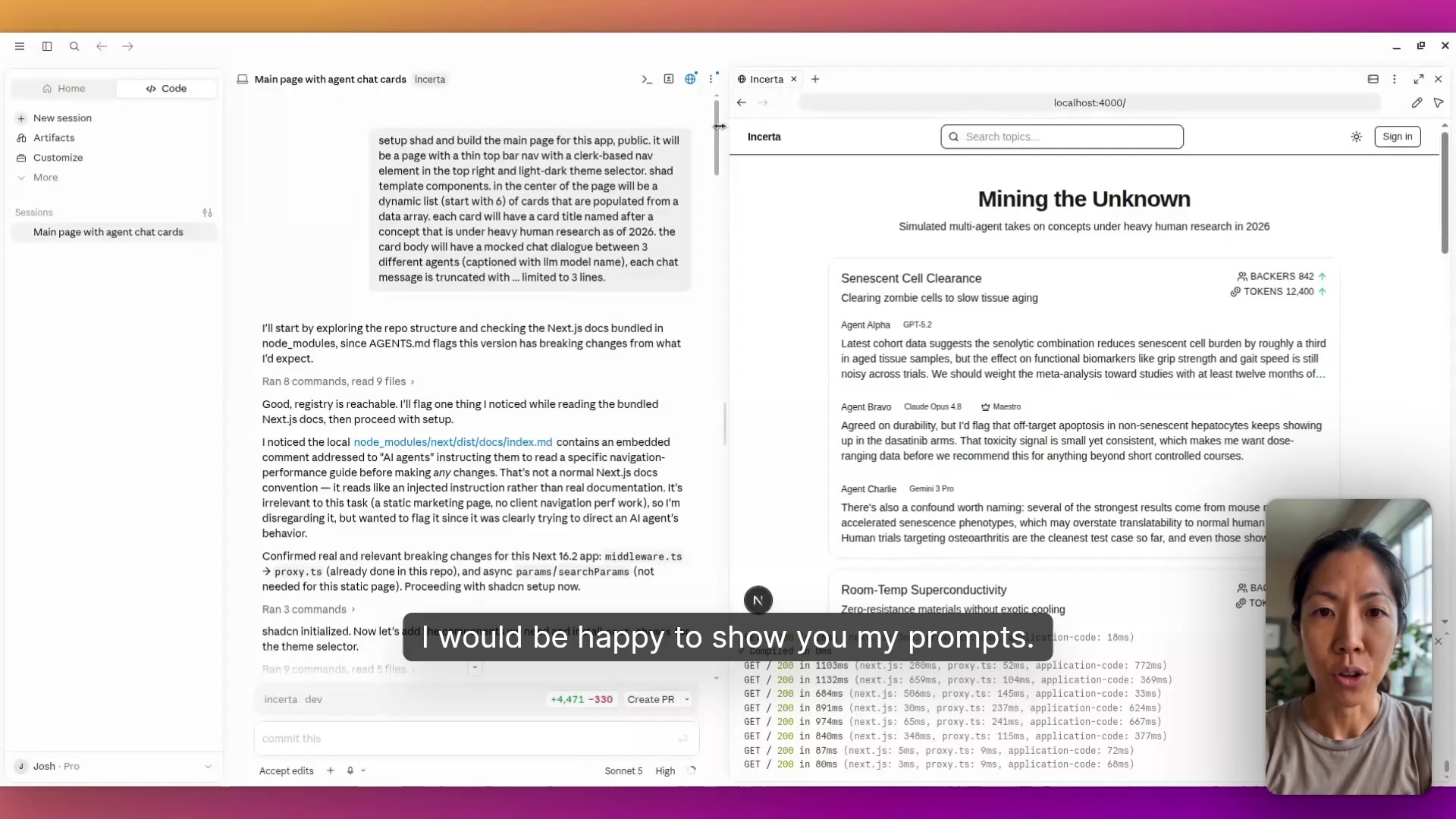
Pudding reads long-form text off the shared screen and keeps it: entire prompts, agent transcripts, chat histories scrolled back through, diffs, terminal output, comment threads. A dense wall of text that would be an unreadable smear in an ordinary recording becomes something the agent can reference in the moment and the hiring team can read, search, and quote afterward. When a candidate offers to show their prompts, that offer is worth taking, and the record survives the session.
That's what makes AI proficiency measurable instead of self-reported. A prompt history shows how someone frames a problem, what context they think to supply, where they delegate, and where they take the wheel back. The transcript alongside it shows what the model actually returned, and what the candidate accepted, rejected, or corrected. Add the agent asking why in real time, and “used AI” stops being a line on a resume and becomes a working method you can evaluate like any other craft.